
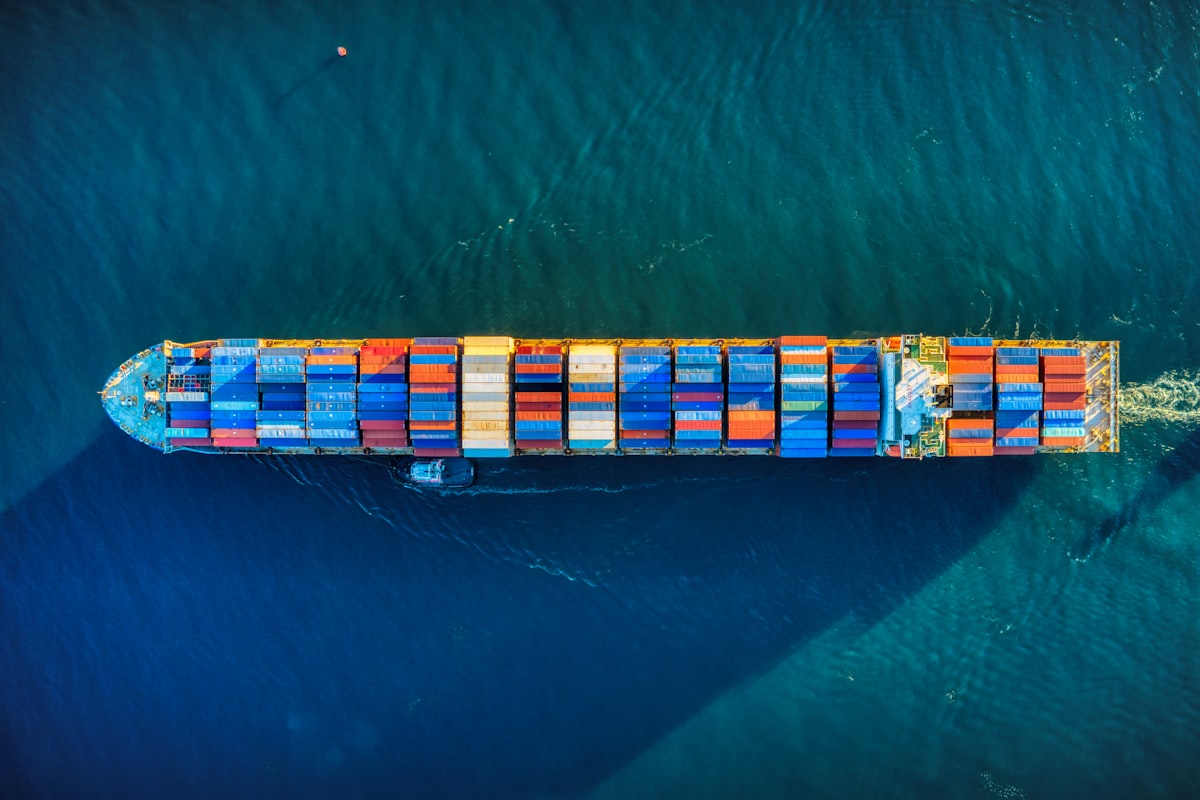
What marine cargo insurance covers
Despite the name, marine cargo cover is not only for ships. It covers goods moving by sea, air or road, for imports, exports and local transit.
It covers both containerised and non-containerised shipments. The sum insured is the value of your goods.
The three cover levels
All Risk is the widest cover. It protects your cargo against most causes of physical loss or damage in transit.
FPA (Free from Particular Average) covers total loss and specified major perils. It costs less and suits lower-risk shipments.
Basic covers a list of named perils. It suits lower-value or lower-risk shipments.
For high-value or fragile goods, All Risk is usually the right choice.
How the premium is calculated
The premium is worked out from three things: the value of your cargo, the route and mode of transport, and the cover level you choose. A minimum premium applies to smaller shipments.
You can quote in the currency of your invoice, so the sum insured matches your shipping documents. The quote shows the exact premium before you pay.
Your marine certificate
Once you buy cover, your marine cargo certificate is issued online. It is the document freight forwarders and clearing agents usually ask for, so arrange cover before your goods move.
How to get covered with AAR
Enter your cargo details, value, route and mode of transport, choose your cover level, and pay online. Your certificate is issued online, ready to share with your clearing agent.
Key takeaways
- Marine cargo cover protects goods in transit by sea, air or road, for imports, exports and local moves.
- All Risk is the widest cover; FPA and Basic cost less and cover fewer causes of loss.
- The premium depends on cargo value, route, mode of transport and cover level, with a minimum premium.
- Your marine certificate is issued online once you buy cover.